The Different Methods of Stump Removal
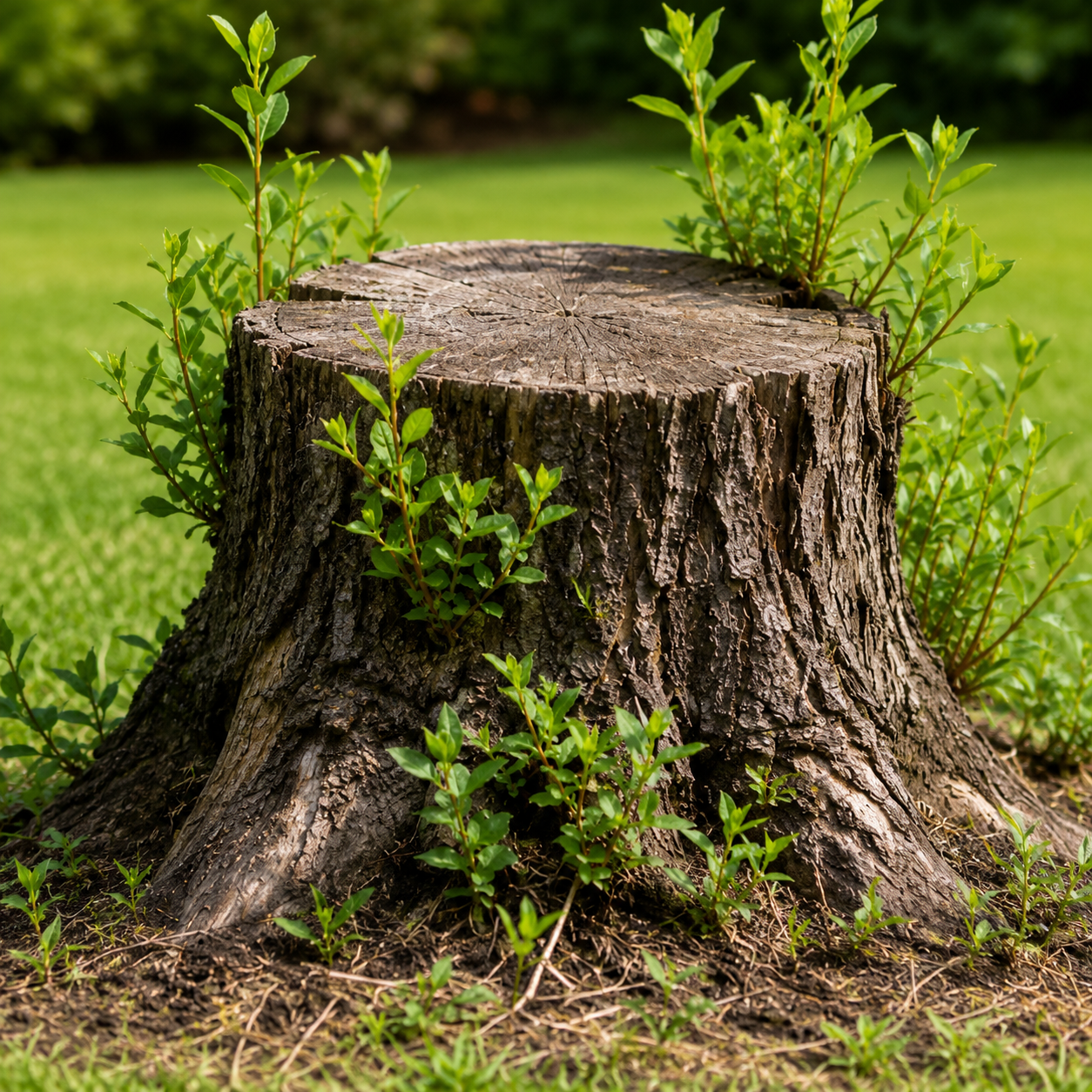
After a tree has been removed, the remaining stump can become more than just an eyesore. It may create a tripping hazard, attract pests, or prevent you from making full use of your outdoor space. Fortunately, there are several stump removal methods available, each suited to different needs and garden conditions. Understanding your options will help you choose the most effective solution.
Stump Grinding
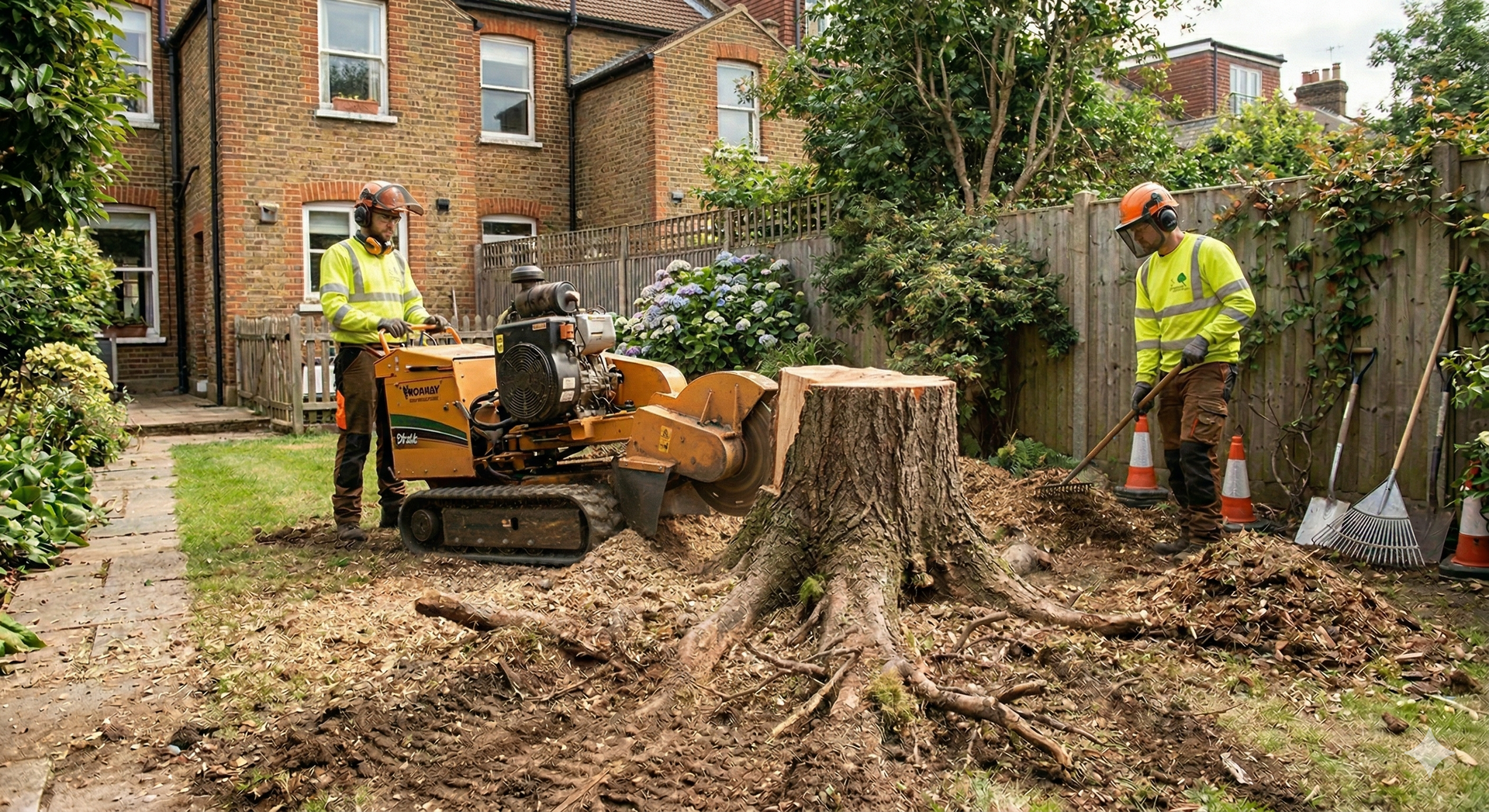
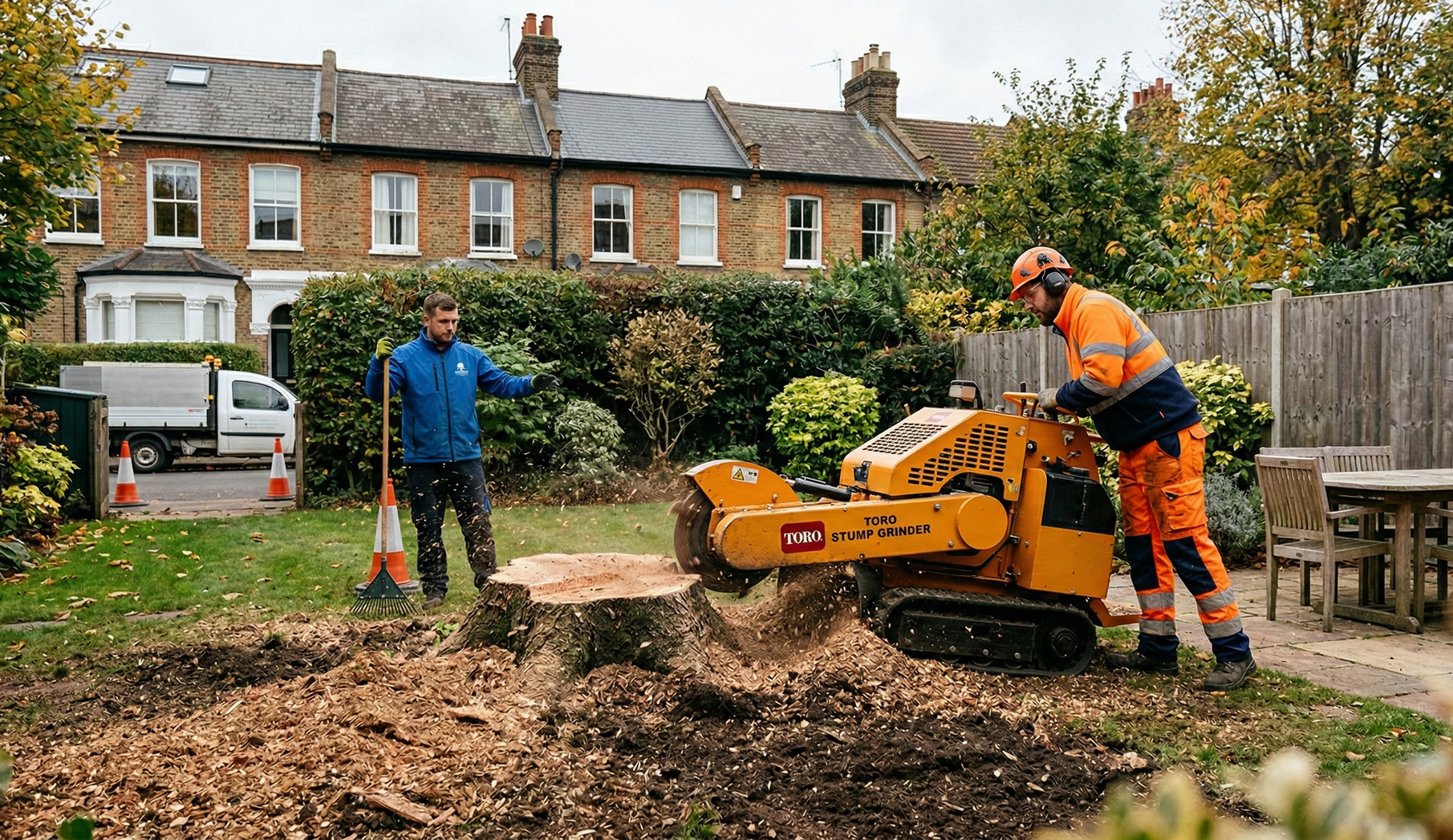
Stump grinding is the most common and efficient professional method. Using specialised machinery, the stump is ground down below ground level, typically 6–12 inches beneath the surface. This allows the area to be levelled and prepared for turf, planting, or landscaping.
Grinding is less disruptive than full excavation because it does not require extensive digging. It is ideal for most residential gardens and urban spaces where access may be limited. While the main stump is removed, some deeper roots may remain underground, naturally decomposing over time.
Full Stump Removal (Excavation)
Excavation involves completely digging out the stump along with its root system. This method ensures total removal and prevents any possibility of regrowth. It is often used when preparing land for construction, paving, or major landscaping projects.
Although highly effective, excavation can be more labour-intensive and may require machinery such as a mini digger. It can also disturb surrounding soil more than grinding, so it is typically chosen when full root clearance is essential.
Chemical Stump Removal
Chemical removal works by accelerating the natural decomposition process. Holes are drilled into the stump and filled with a treatment that softens the wood over several weeks or months. Once the stump becomes brittle, it can be broken apart more easily.
This method requires patience and is generally suited to situations where immediate removal is not necessary. It is important that treatments are applied responsibly to avoid environmental impact.
Manual Removal
For smaller stumps, manual removal using hand tools such as spades, saws, and axes can be an option. This method is physically demanding and time-consuming but may be suitable where machinery access is restricted. Larger stumps, however, typically require professional equipment for safe and efficient removal.
Burning (Less Common)
Burning a stump involves drilling holes and carefully controlling a fire to break down the wood. Due to safety risks and local regulations, this method is rarely recommended in urban areas and should only be considered in appropriate rural settings.
Choosing the Right Method
The best stump removal method depends on the stump’s size, location, and your future plans for the space. For most gardens, stump grinding offers the ideal balance of speed, safety, and minimal disruption. For complete root clearance, excavation may be the better choice.
Consulting a professional ensures the work is carried out safely and efficiently, leaving your outdoor space clean, level, and ready for its next purpose. Brixton Tree Professionals is here to help—our experienced team provides expert stump removal using the method best suited to your garden, ensuring fast, reliable, and hassle-free service from start to finish. Contact us today to restore your outdoor space with ease.