How to Care for Your Trees During Winter
Winter can be tough on trees, especially young or newly planted ones. Cold winds, frost, heavy rain, and sudden temperature changes can put even the healthiest trees under stress. Many people assume trees just “get through” winter on their own, but the reality is that without a little care, trees can suffer from root damage, frost cracks, or weakened branches. Taking a few simple steps now can protect your trees from damage, reduce long-term maintenance, and help them flourish when the warmer months arrive. With the right attention, you can ensure your trees stay strong, healthy, and looking their best all year round.
1. Mulch to Protect the Roots
Mulching is one of the simplest and most effective ways to protect trees during the colder months. A good layer of wood chips, bark, or well-rotted compost around the base of the tree insulates the roots from freezing temperatures and helps retain moisture. It is important to keep the mulch a few centimetres away from the trunk to prevent rot, and aim for a thickness of around 5–10 cm. This simple step can make a big difference to your tree’s health during the cold months.
2. Water During Dry Periods
Even in winter, trees can suffer if rainfall is scarce, so providing a deep watering during dry spells is essential. Young trees under three to four years old, newly planted specimens, and evergreen varieties are particularly vulnerable to moisture loss. Giving your trees enough water ensures their roots remain healthy and prepares them to thrive when spring arrives.

3. Protect Young Trunks from Frost Cracks
Sudden drops in temperature can cause bark to split, a condition known as frost crack, which leaves trees vulnerable to disease. Wrapping young trunks with a breathable tree guard or hessian fabric helps prevent this damage. Make sure the wrap is secure but not tight, and remove it in early spring so the tree can grow naturally. Taking this precaution helps maintain strong, healthy trunks.
4. Prune at the Right Time
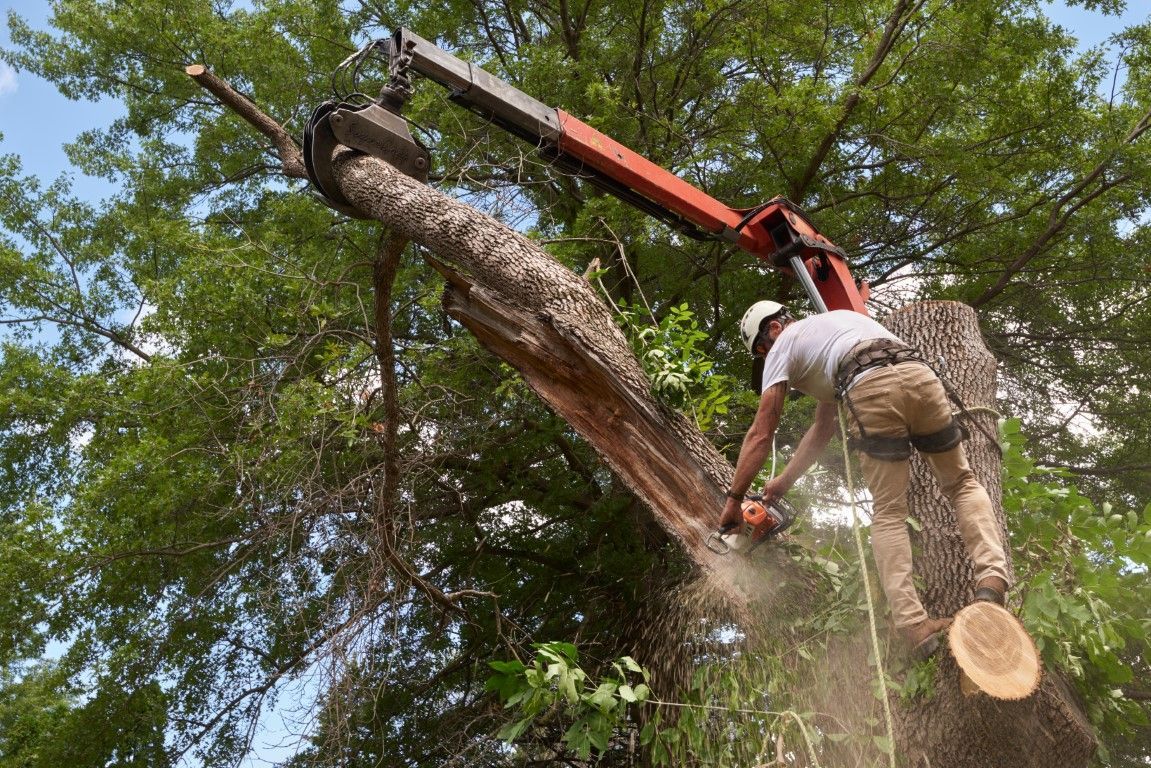
Winter is the ideal time for pruning many deciduous trees because the leaves have fallen and dead or damaged branches are easier to spot. However, pruning should be avoided during extremely cold periods, and some species, such as birch, walnut, and maple, should not be pruned in late winter as they can bleed sap. Removing broken, dead, or rubbing branches keeps trees healthy and reduces the risk of damage. For larger or older trees, it is always a good idea to consult a tree professional.
5. Check for Winter Damage Regularly
Wind, snow, and storms can all weaken branches or cause them to break. Checking your trees every couple of weeks helps identify issues early before they become bigger problems. Look for splits in branches, leaning trunks, exposed roots, fungus growth, or cracks at the base. Taking action promptly can prevent long-term damage and keeps your trees strong throughout winter.
6. Support Young Trees With Stakes (If Needed)
Young trees in windy areas may need staking to remain stable. Ties should be flexible enough to allow slight movement, which helps strengthen the trunk. Stakes should be removed after one to two years, or sooner if the tree can stand on its own. Supporting young trees correctly ensures they develop strong roots and remain resilient in harsh weather.
7. Avoid Heavy Soil Disturbance
Winter soil is more fragile, and roots are more exposed to stress during the colder months. Digging or disturbing the area around trees, especially when the ground is frozen or waterlogged, can damage roots and affect tree health. By keeping the soil around your trees intact and avoiding unnecessary disturbance, you give them the best chance to remain healthy and grow strongly in spring.
Caring for your trees over winter doesn’t have to be complicated. Simple actions like mulching, sensible
pruning, and protecting young trunks can keep your trees healthy and set them up for vigorous growth in spring.
Brixton Tree Professionals can help with pruning, mulching, and checking for winter damage to ensure your trees stay strong and healthy all year round.