What Spring Reveals About the Health of Your Trees
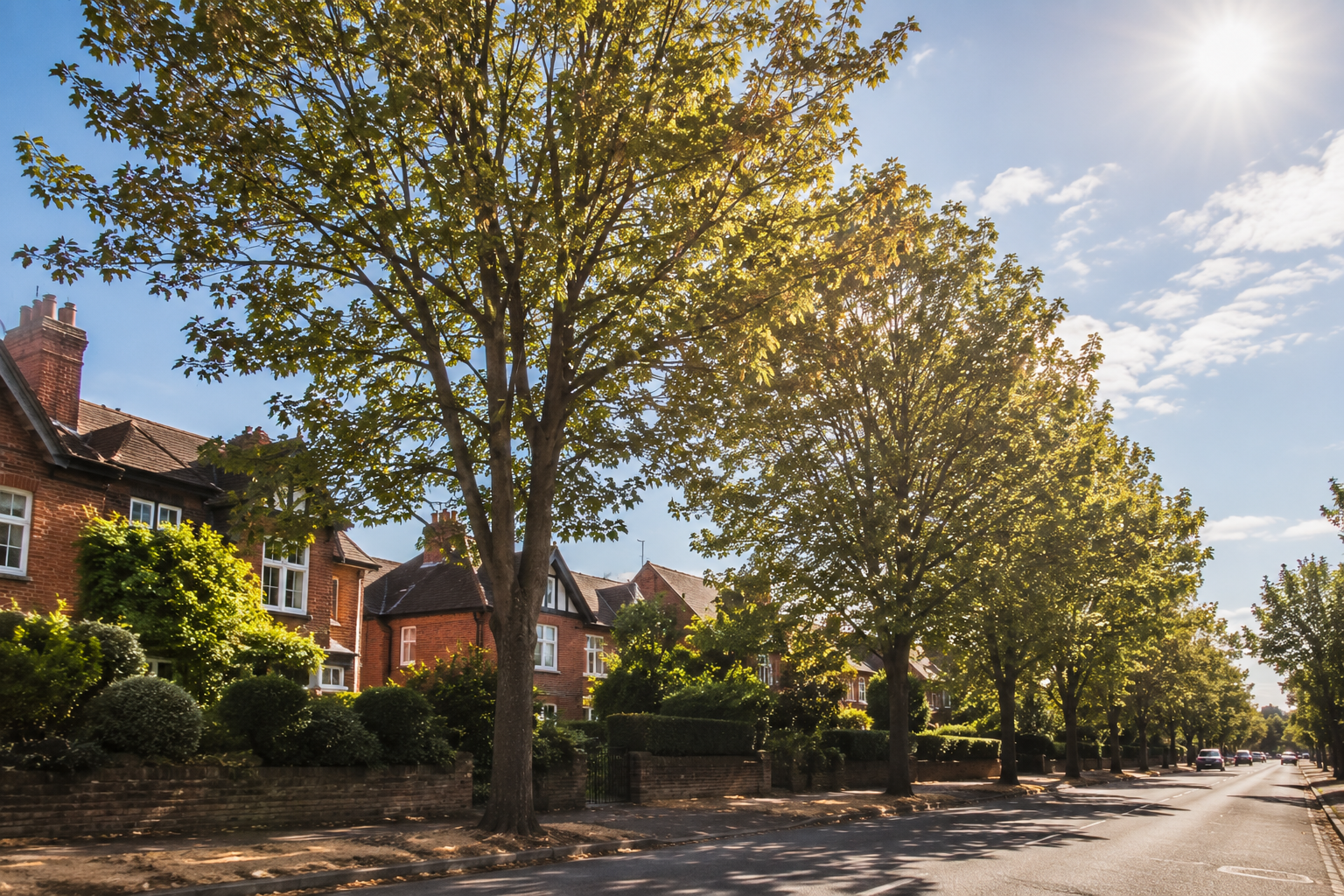
Spring marks the return of growth and greenery, but it’s also the season when hidden tree problems begin to surface. While trees may appear healthy at first glance, damage that developed during the colder months often becomes more noticeable as new growth begins.
Many of these issues are missed simply because they don’t look serious at first. Knowing what to look for early can help prevent long-term damage and reduce potential safety risks.
Delayed or Uneven Leaf Growth
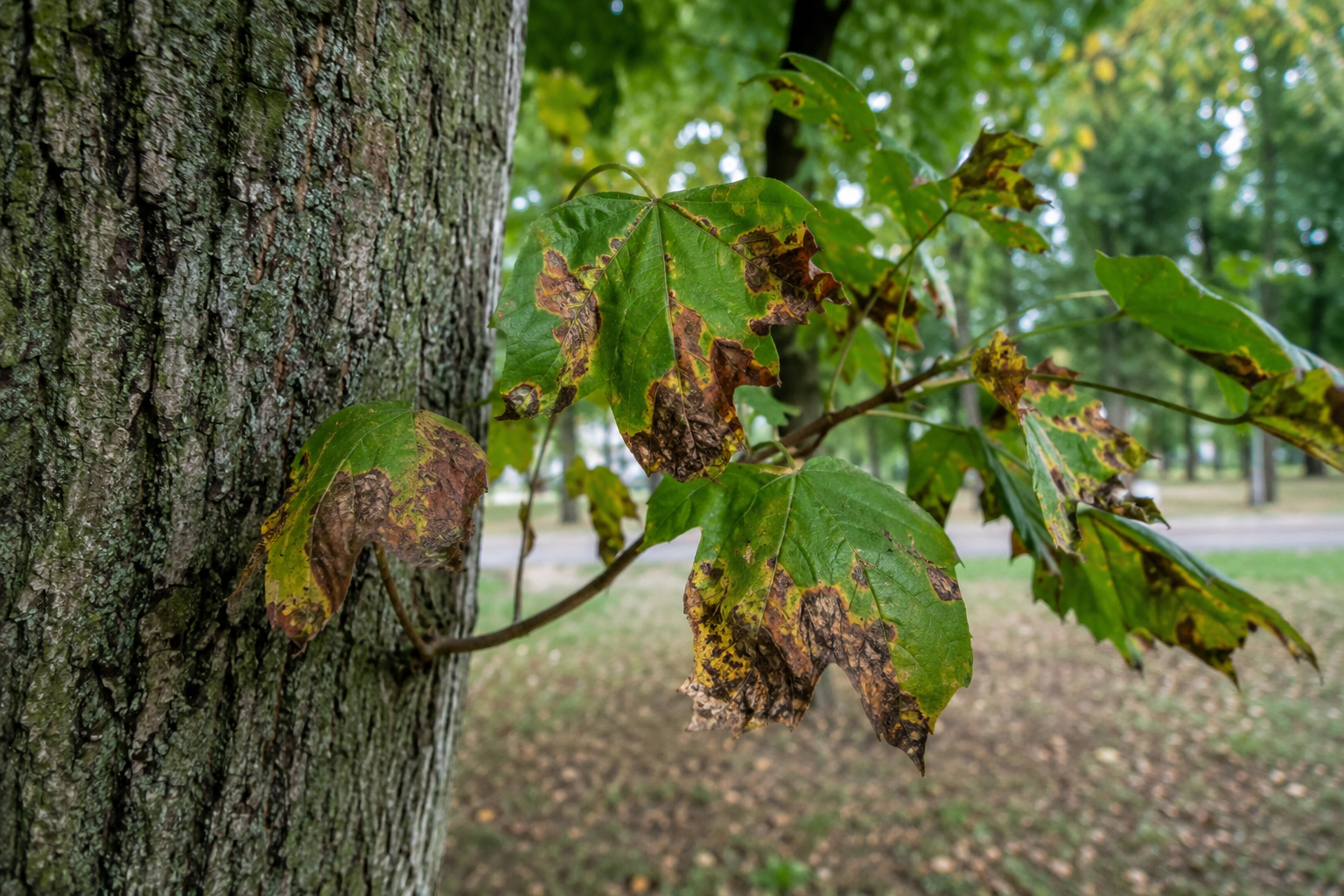
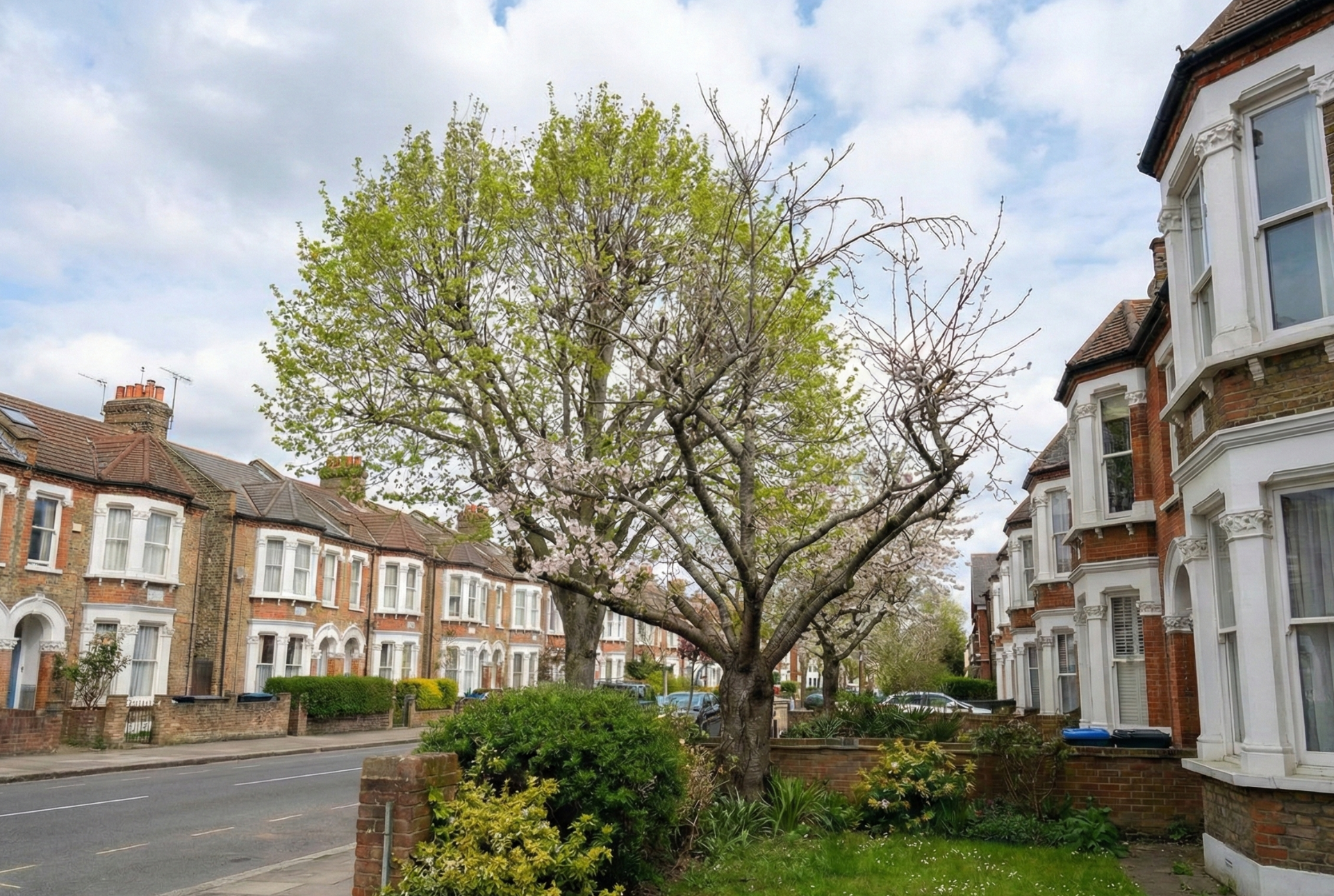
One of the clearest signs of trouble in spring is uneven leaf development. Some branches may leaf out later than others, while some fail to produce leaves at all. This often points to internal stress, disease, or problems within the root system.
Because spring growth can naturally vary, these signs are often brushed off. However, ongoing or widespread gaps in foliage usually suggest a deeper underlying issue.
Hidden Structural Damage
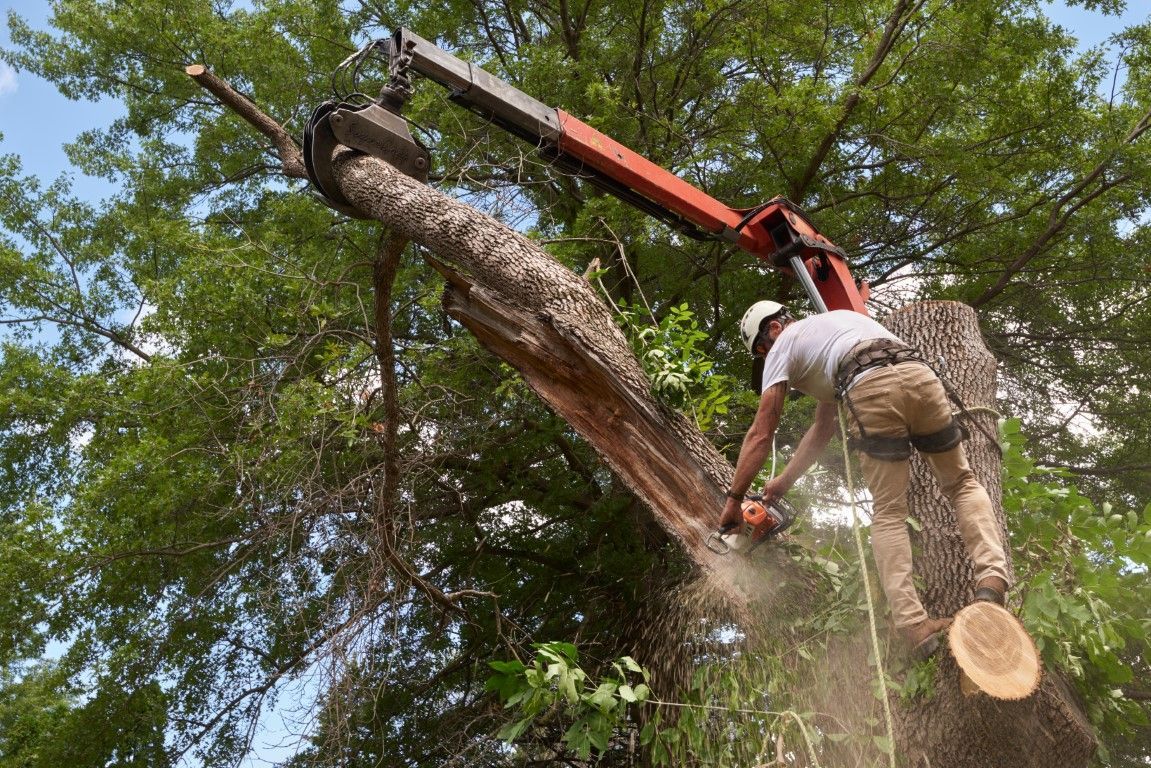
Cracks and splits in branches or trunks often form during winter but go unnoticed until spring. As sap begins to flow and branches become heavier, these weak points can widen.
What may look like a minor split can significantly reduce a tree’s strength, increasing the chance of sudden branch failure or collapse.
Fungal Growth Becoming Noticeable
As temperatures rise, fungal activity becomes easier to spot. Mushrooms growing around the base of a tree or along the trunk are often a sign of internal decay.
Because the upper canopy may still appear healthy, fungal issues are frequently overlooked — yet they are one of the strongest indicators that a tree’s structure has been compromised.
Root Problems Below Ground
Roots can suffer damage from frost, waterlogged soil, or ground movement during winter. In spring, this damage may start to show through signs such as soil lifting, leaning trees, or reduced stability.
Root issues are commonly missed because they occur out of sight, but they play a critical role in keeping a tree secure and upright.
Existing Damage Getting Worse
Trees that were previously damaged or incorrectly pruned may deteriorate further as growth resumes. Old wounds can reopen, and weak branch joints may struggle to support new weight, increasing the likelihood of breakage.
Why These Problems Are Often Overlooked
Spring is usually associated with healthy growth, so changes in trees are often assumed to be normal. Fresh leaves and new shoots can give the impression that a tree is thriving, even when underlying issues are present.
Damage caused during winter — such as internal decay, minor cracks, or root stress — doesn’t always show straight away. As growth resumes, these problems can be hidden by foliage or develop gradually, making them easy to miss without closer inspection.
Root-related issues are particularly easy to overlook because they occur below ground. Subtle signs like uneven soil or slight movement may not seem urgent at first, but they can worsen as the tree becomes heavier in spring.
Without specialist knowledge, it’s difficult to tell the difference between natural seasonal changes and early warning signs. As a result, many tree problems are only addressed once they become more serious, when early action could have prevented further risk.
Early detection makes all the difference. A professional inspection can identify subtle issues before they develop into serious or costly problems.
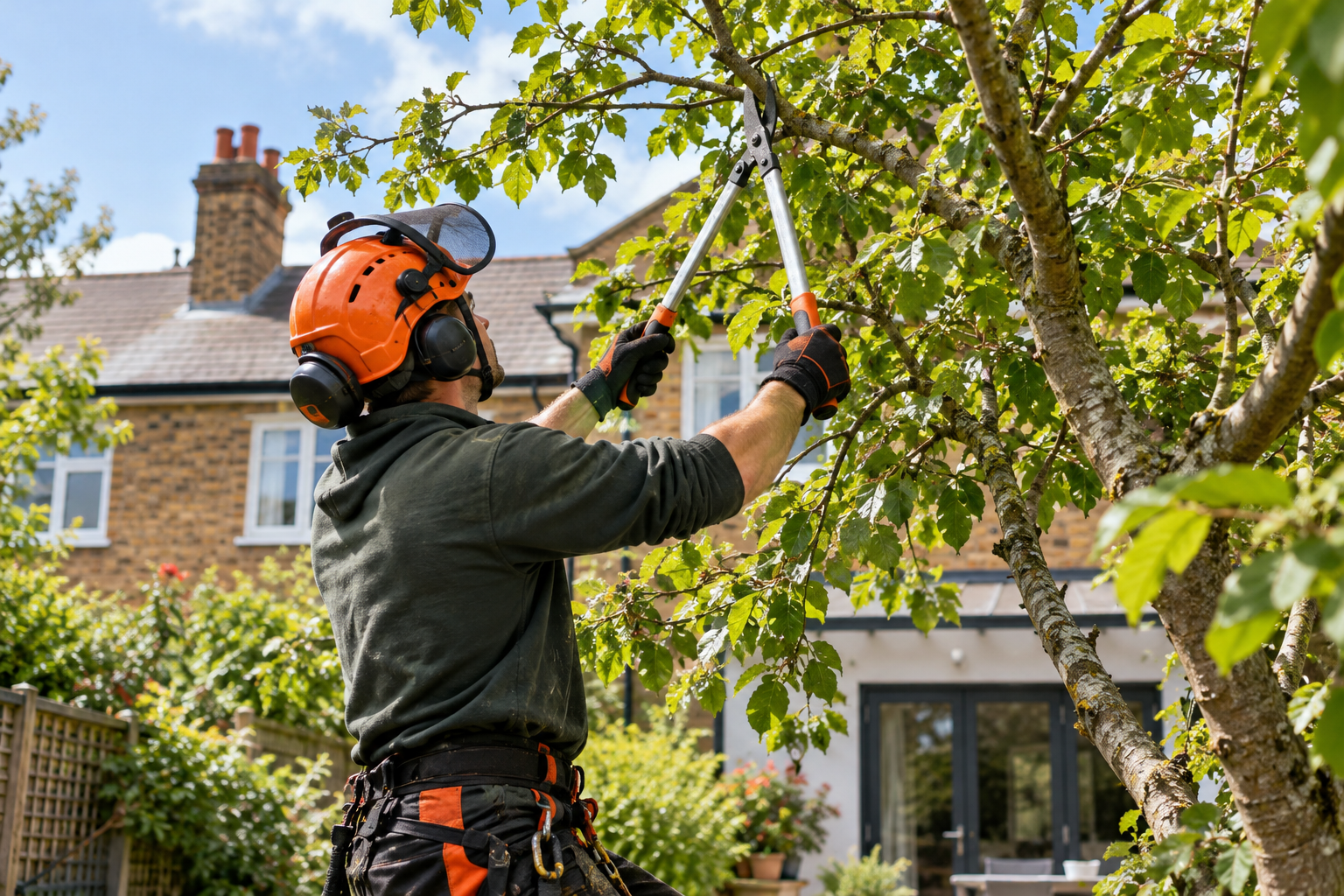
Brixton Tree Professionalshave the experience to spot spring-related tree issues and recommend the right course of action. From detailed assessments to safe
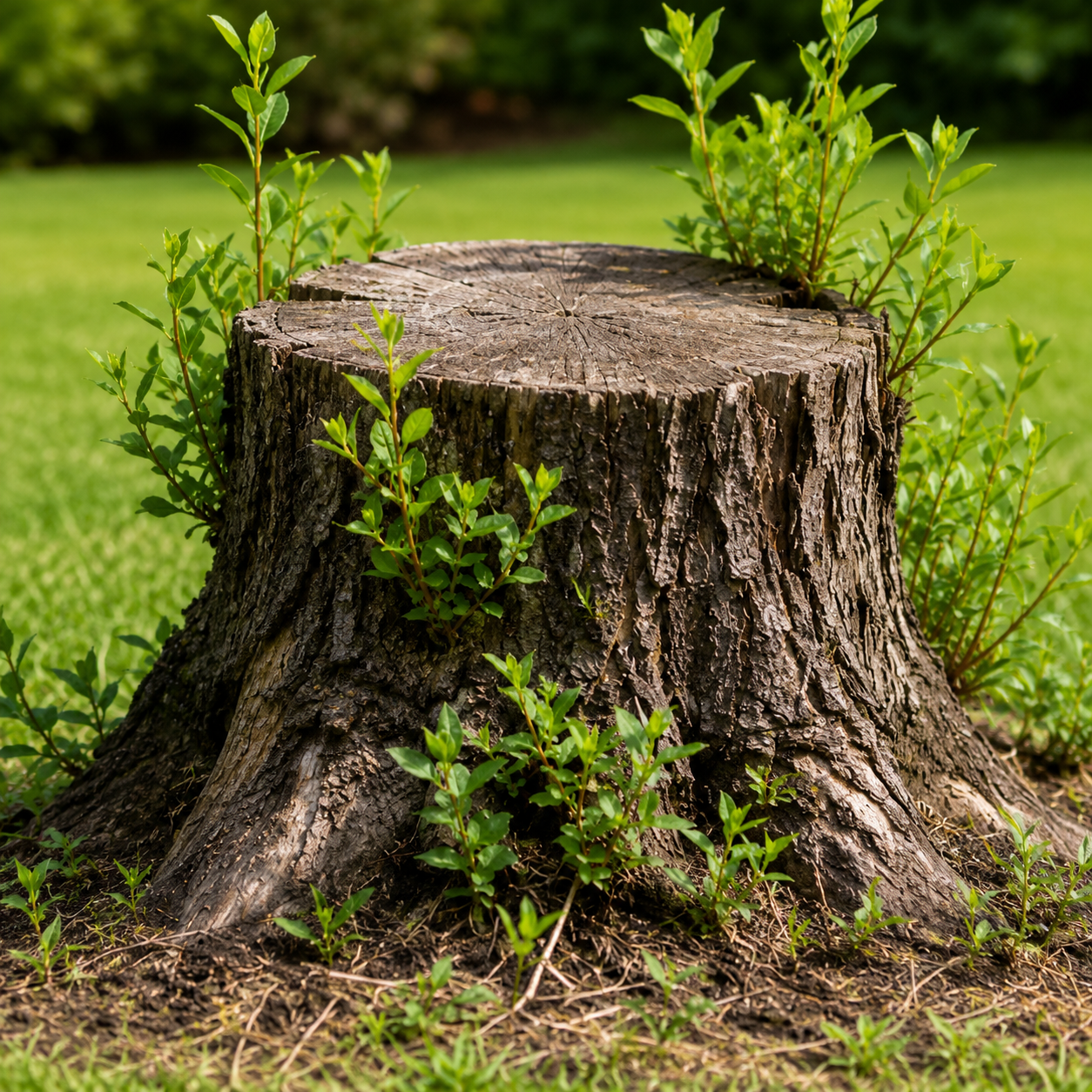
tree removal, our team helps ensure your trees remain a benefit — not a risk — to your property.